WordPress runs two thirds of the web - and for plenty of projects it still makes sense. But when a site has to be genuinely fast, secure and high in Google, we reach for code more often. Here is why, no ideology - just specifics.
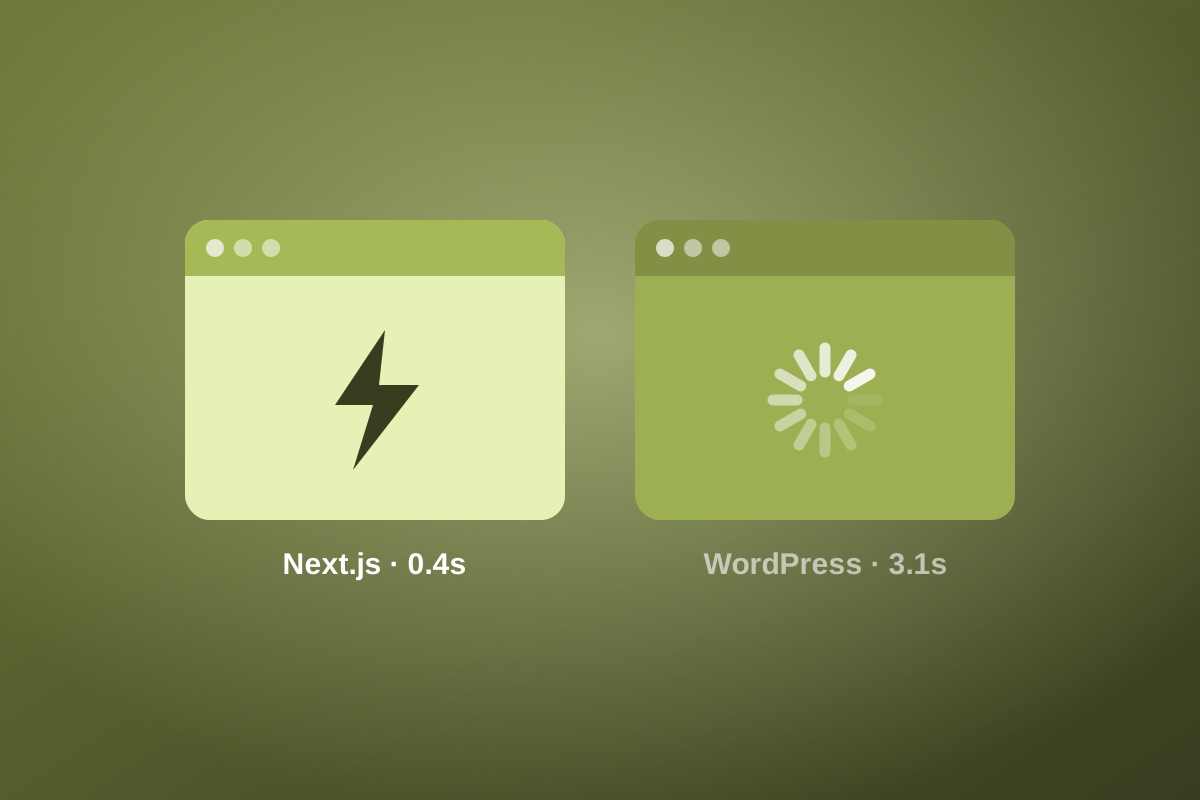
- Speed: a Next.js site serves ready-made HTML, with no plugins to bolt on at every visit.
- SEO: clean code and control over every detail instead of fighting the theme.
- Security: no plugins means no most-common door for break-ins.
- Cost: more work up front, fewer bills and less patching later.
Speed you can see in the numbers
A typical WordPress assembles the page on every visit: database, theme, a dozen-odd plugins. Next.js does it once - at publish time - and ships ready, lightweight HTML from a global network of servers. The visitor sees the page before they can blink.
Speed is not cosmetics. Google counts it in the ranking, and the user counts it with their wallet: every extra second of loading is real lost conversions.
SEO without plugins or compromise
In WordPress, SEO is often a fight with the theme, patched up with plugins. In code you control every detail: heading structure, structured data, sitemaps, Open Graph tags, language versions. Nothing happens "by accident".
Next.js hands Google's crawler ready HTML with the content already in it - not an empty page it has to assemble with JavaScript first. A whole class of indexing problems simply disappears.
Security: fewer doors, fewer break-ins
Most WordPress break-ins do not go through the core itself - they go through plugins: outdated, abandoned, with a hole from two years ago. A static Next.js site has no login panel and no database to attack from the front. There is simply nothing to break into.
- 15-30 plugins, each a potential hole
- the
/wp-adminpanel visible to the whole world - updates that can topple the site
- backups and monitoring as a standing cost
- zero plugins to patch
- no panel and no database on the user's side
- updates under control, in code
- static hosting - cheap and resilient
How a move to code looks with us
What the site actually needs to do, and where it loses today - speed, SEO, conversions.
Mockups, structure and copy built for results, before we write a line of code.
Fast, secure and SEO-ready - with room to grow later.
We ship, measure the results and stick around after go-live.
We do not build sites that need reviving every six months. We build the kind you forget about - because they just work.
When WordPress still makes sense
No fanaticism: if you run a large blog edited daily by a non-technical team, or you need a plugin that only exists in the WordPress world - sometimes it is the right call. You pick the tool to fit the job, not the other way round.
We match the technology to the goal of the site, not the goal to the technology. If WordPress is the best fit here - we will say so plainly.
Got a site that loads too slowly or eats your budget on patching? We will show you exactly what could be done with it - over coffee, no strings attached.